Until the LIRS April 14, 2026 filing deadline
If You Earn a Salary or Have Any Side Income in Nigeria, Read This Before April 14.
You could be exposed to a ₦100,000+ tax penalty not because you did anything wrong, but because of changes most people don’t understand.
Instant access after payment | Only ₦4,500 | Read on your phone in under 2 hours
This Is Not About Being Dishonest.
It Is About Being Uninformed.
Let me tell you about Tunde.
Tunde is a Senior Analyst at a bank in Marina. Sharp, hardworking, and like most of us in 2026, he has a little something on the side — a solar inverter installation business bringing in extra Naira to keep up with everything going on around him.
He was not hiding anything. He was not trying to cheat anybody. He was just busy. Running a 9-to-5, managing clients on weekends, and trusting that things were fine because nobody had come knocking.
His side business collected all its payments the easy way. Customers transferred directly to his GTBank personal account. It was simpler. No separate business account, no CAC registration hassle. Just a phone number, a bank account, and a growing side income landing quietly every week.
He had no idea that under the 2026 tax law, every naira landing in that personal account looked identical to his salary in the NRS system. Not business income protected by the ₦100 million small company exemption. Personal income. Taxed at his full PAYE rate. Up to 25%.
Then one morning, a letter arrived from the LIRS.
"Dear Mr. Tunde Adeyemi, our records indicate that your declared income for the 2025 fiscal year does not reflect the full scope of your taxable activities. You are hereby required to appear at our office within 14 days or face an automatic assessment and penalty of ₦100,000 for the first month of default, with ₦50,000 accruing every month thereafter."
Not because he was dishonest. Not because his business was large. Simply because his NIN now connects his employer records, his bank accounts, and his business transactions into one unified tax profile. The NRS system did not need to investigate him. It just compared what his employer reported against what he personally filed. The gap between those two numbers was all the evidence it needed.
Sound familiar? Maybe you have a side hustle running through your personal account right now. Maybe you have been meaning to separate your accounts but it felt like too many steps. Maybe you filed nothing because your employer already handles your PAYE and you assumed that covered everything.
It does not.
Your employer's PAYE filing covers your salary. It does not cover your side income, your freelance payments, your weekend business, your transfers from clients. The NRS sees all of it. And after April 14, if you have not filed your own individual return, the penalty clock starts automatically.
The reason I wrote The 2026 Tax Shield is because Tunde's story is not unusual. It is the default experience for every Nigerian Corporate-Hustler who has a salary, a side income, or both — and has never had anyone sit down and explain what the law actually says in plain language.
Not what a Twitter thread says it says. Not what someone in your WhatsApp group thinks it means. What the law actually says, and exactly what it means for your situation.
That is what this guide does. And I wrote it because I needed it too.
You Are Not Confused Because You Are Careless.
You Are Confused Because Nobody Explained This.
You woke up in January and checked your alert. The number was smaller than it was in December. You checked your payslip. Your gross salary had not changed. So where did the money go?
You asked a colleague. They said something about a new tax law. You searched online and found twelve articles all saying different things. You asked in your WhatsApp group and got six opinions, none of which agreed. So you decided to wait and see.
That was January. It is now April. The waiting has not made the situation clearer. It has just moved you closer to a deadline with a penalty attached.
Here is what is actually happening to most Corporate-Hustlers right now.
None of this is your fault. The law changed in the most sweeping tax reform Nigeria has seen since independence. Four new tax laws took effect on January 1, 2026. They were signed in June 2025, announced in finance act language nobody outside of a tax office can read, and left every working Nigerian to figure it out themselves.
The accountants who could explain it charge ₦15,000 to ₦50,000 per hour and speak in terms that make you need a second accountant to explain what the first one said. The free content online is either too general to be useful or already outdated.
So most people do what feels safe. They wait. They hope their employer handles it. They tell themselves it probably does not apply to them. And they cross their fingers that nobody comes looking.
The problem is not that you are behind. The problem is that you are behind without knowing exactly what you are behind on. That is what The 2026 Tax Shield fixes. Not by turning you into a tax accountant. By telling you exactly what applies to your situation, in plain English, so you can act before the deadline closes.
The Root Cause Is Not Laziness.
It Is a System That Changed Overnight.
Here is the truth that nobody is saying clearly enough.
On June 26, 2025, President Tinubu signed four new tax laws. They came into effect on January 1, 2026. In one night, the most comprehensive tax overhaul since Nigerian independence became the law that governs every naira you earn, spend, and move.
The old system had gaps you could fall through without consequence. The new system is digital, unified, and cross-referenced. Your NIN now connects your employer records, your bank accounts, your CAC registration, and your NRS tax profile into a single picture. The system does not need to monitor you in real time. It just needs to compare what your employer reported against what you filed. Any gap between those two numbers is flagged automatically.
This is why Tunde got the letter. Not because anyone was watching him. Because the system compared two numbers and found a gap.
Follow this chain of logic and you will understand exactly why you are in the position you are in right now.
Therefore: the first thing you need is a plain English breakdown of exactly which category you fall into, what obligations apply to you, and what to do about each of them before April 14.
This is not a situation where time fixes things. Every day you wait, the deadline gets closer and the gap between what you owe and what you have filed stays the same.
The good news is that once you understand the system, the steps are not complicated. The law has backdoors built in for people exactly like you. A ₦500,000 rent relief you can claim today. A 0% tax rate on your side hustle if it is structured correctly. A step-by-step checklist that walks you through the filing process from login to Tax Clearance Certificate.
Before You See the Guide,
Here Are Three Things You Need to Know.
Most people who read this far have the same quiet doubt running in the background. Something like: okay, this sounds useful, but does it actually apply to my situation? Is it really that simple? Can someone like me actually handle this without an accountant?
Let me answer that directly, in three parts.
Here Is What Happens When You Read This.
This is not a list of things that are included. It is a description of what changes for you, chapter by chapter, from the moment you start reading to the moment you submit your return.
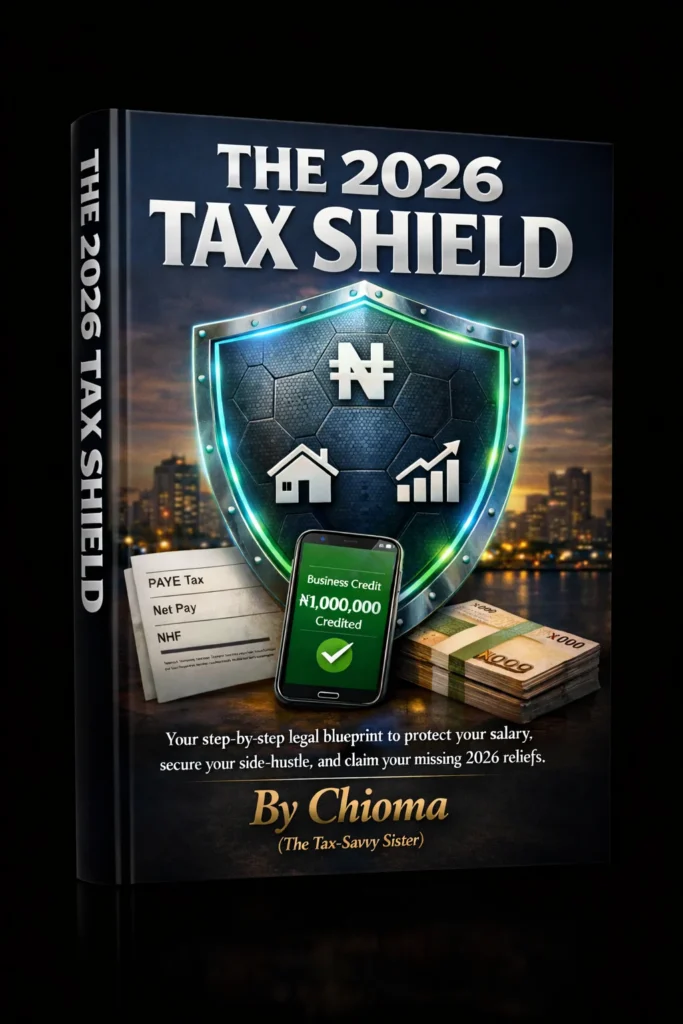
Instant access after payment | Only ₦4,500
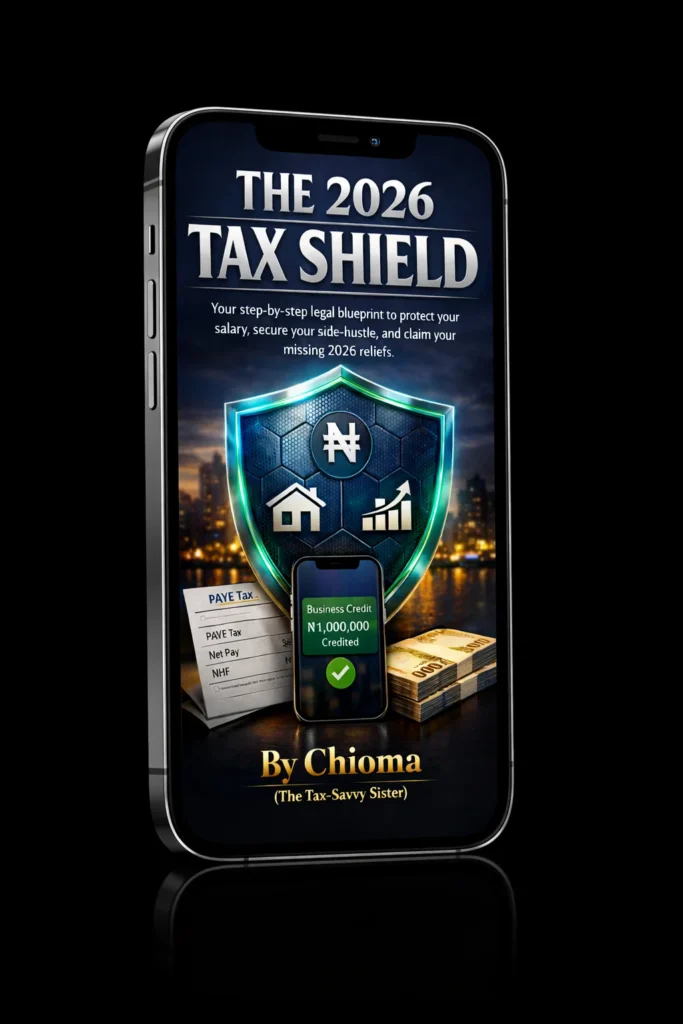
The Complete 2026 Tax Shield Package
The main guide plus three ready-to-use bonus tools. Everything you need to go from confused to fully filed before April 14.
Instant access after payment | Read on your phone in under 2 hours
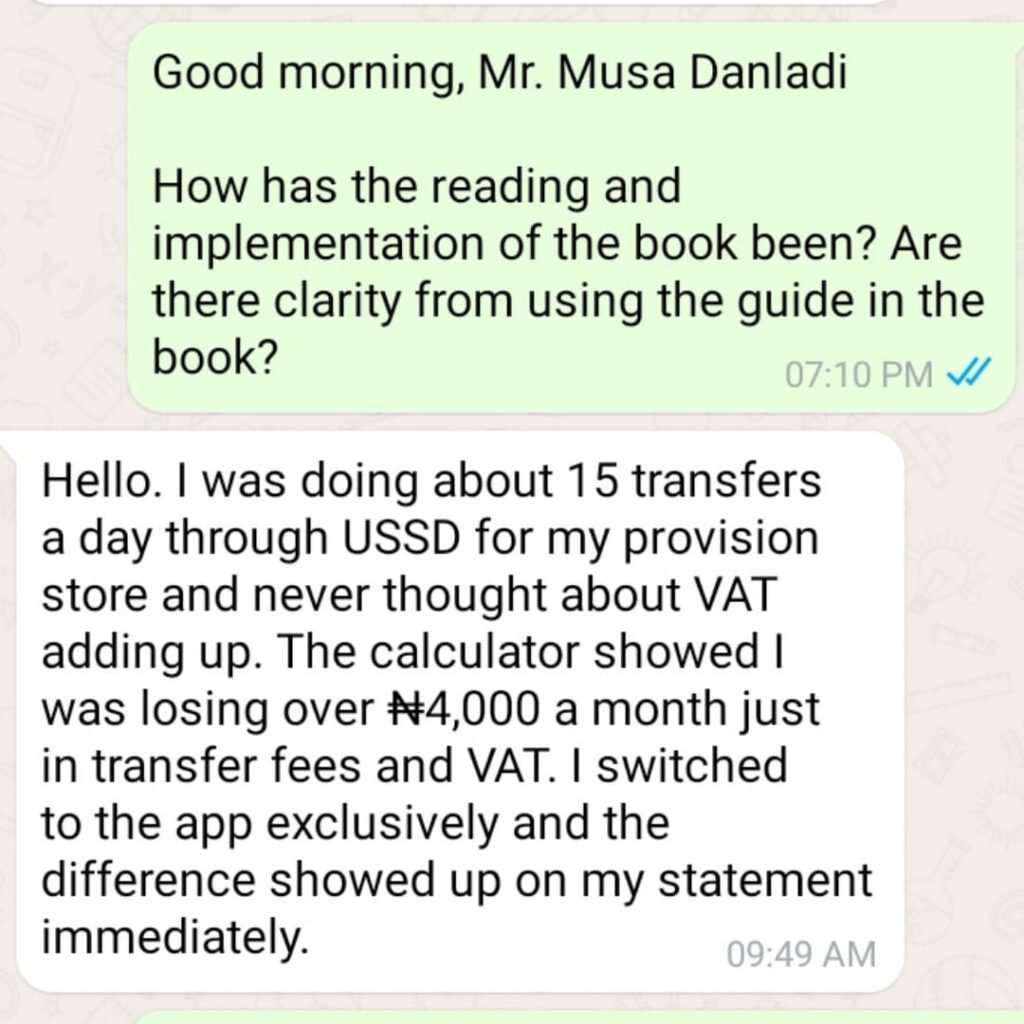
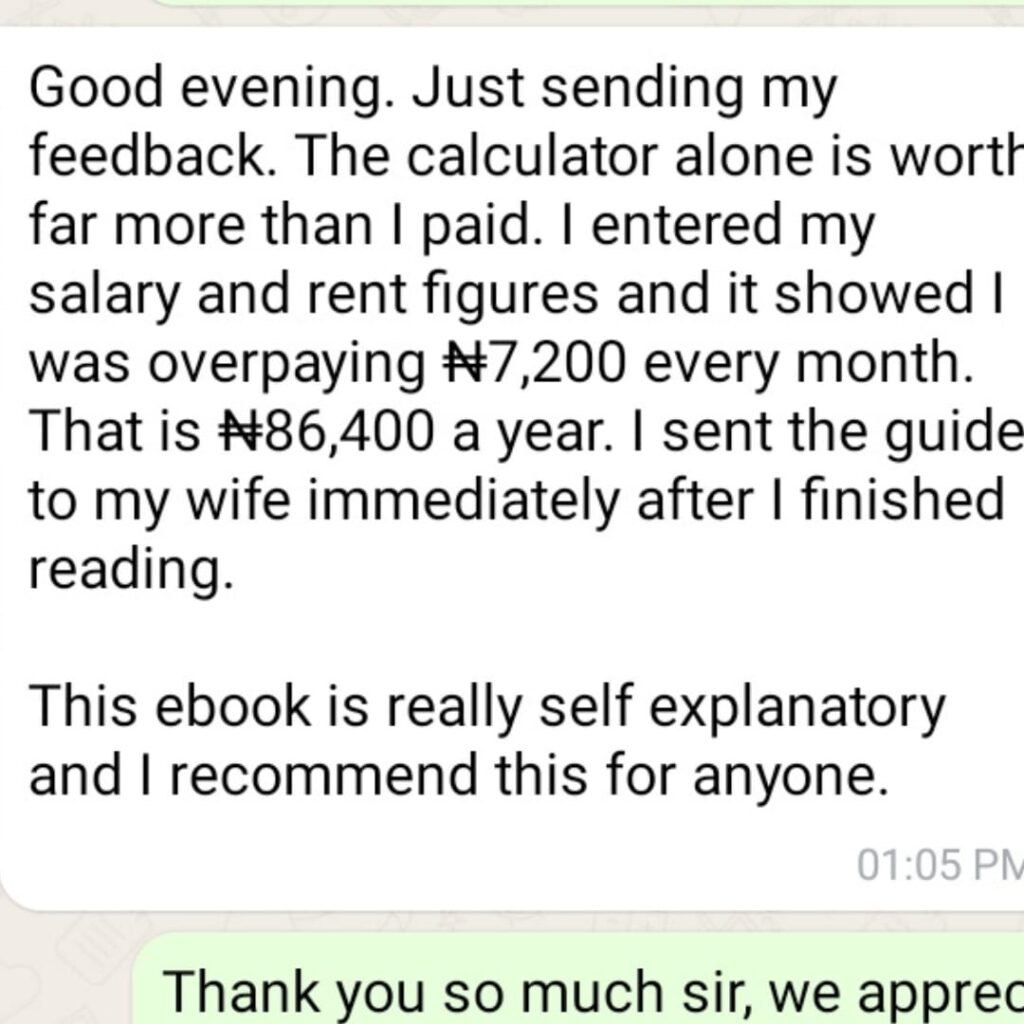
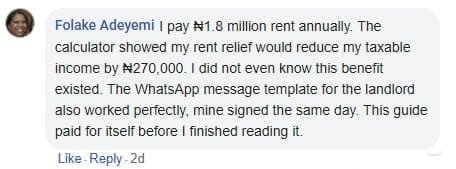
Real Nigerians. Real Results.
Before the April 14 Deadline.
People who were in the same confusion you are in right now, and what changed after they read this guide.

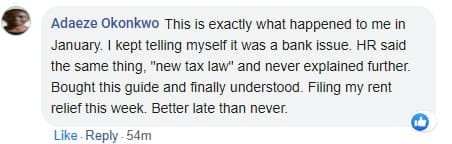
The Cost of Doing Nothing
Is Already Running.
The LIRS penalty for not filing after April 14 is ₦100,000 for the first month, with ₦50,000 added every month after that. One wrong tax decision at your income level, whether a missed exemption, an unfiled return, or a misfiled side hustle, costs significantly more than what you are about to pay for this guide.
Pay with card, bank transfer, or USSD
You Have Read This Far.
Part of You Already Knows What to Do.
Think about the last time you made a decision and looked back with genuine regret. Not frustration at an outcome that did not go your way. Actual regret at a choice you made.
Regret almost never comes from taking action. It comes from waiting. From telling yourself you will sort it out later, and then watching later arrive with a penalty attached.
A year from now you will not regret spending ₦4,500 to understand your tax obligations before the April 14 deadline. You will regret staying in the same confusion, the same exposure, the same anxiety about something that had a clear solution sitting right in front of you.
The real question is not whether this guide is worth ₦4,500. The real question is what staying confused costs you after April 14.
If you are someone who takes their money seriously.
If you are someone who built a side income because you refused to depend on one salary in this economy.
If you are someone who wants to operate with full confidence and not spend the rest of April wondering whether the LIRS is going to send a letter.
Then you have already made this decision. The version of you that does not protect what you have built would not have read this far.
Let us take everything you just read and make it real for you today.
If you have read this far, something inside you already knows this matters.
That voice is not trying to stress you out. It is trying to protect you. It knows you have been putting this off. It knows that putting it off costs more than dealing with it. It knows that April 14 is real and the penalty is real and that right now, today, you still have time.
Do not silence that voice. It is telling you exactly what you need to do next.
future self thanks you for.
Everything you need to file before April 14 and protect what you have built.
Everything You Want to Know
Before You Get It.
This guide is for informational purposes and does not constitute legal or professional tax advice.
All rules referenced are drawn from the Nigeria Tax Act 2025 and LIRS official communications.
This Site Is Not A Part Of The Facebook Website Or Facebook Inc. Additionally, This Site Is Not Endorsed By Facebook In Any Way. FACEBOOK Is A Trademark Of FACEBOOK, Inc.
© 2026 – Chi-Books| Policy | Terms